Dog Face Puffer Fish Care Guide: Habitat, Feeding, and Maintenance
This species is known as Dogface Puffer, Arothron Dogface Puffer, Blackspotted Puffer and the correct latin name is Arothron nigropunctatus. The family that this marine fish species belongs to is called the Puffer family. (e) It's origin is Indo-Pacific. (e)
Dog Face Puffer Fish Care Guide: Habitat, Feeding, and Maintenance can grow up to 33 cm what is approximately 12 inches. So 1 specimen requires at least 3960cm2 of water surface which is approximately 613 square inch. This species will require to be kept in a tank that is large. (e) Medium aquariums have at least 113 Litres (30 US Gallons). Large aquariums have at least 265 Litres (70 US Gallons). Very large aquariums have at least 700 Litres (185 US Gallons).
It is not very difficult to keep the Dog Face Puffer Fish Care Guide: Habitat, Feeding, and Maintenance. (e) The specific gravity (SG) should be between 1,020 and 1,025, the temperature between 23°C (73.4°F) and 26°C (78.8°F). The recommended pH level is between 8.0 and 8.3 since marine fish are used to these levels in general.
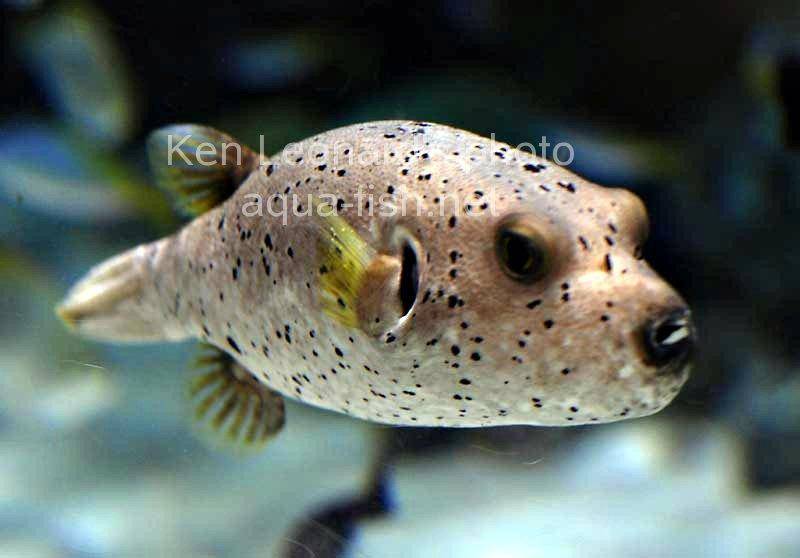
The Dog Face Puffer Fish has gained considerable popularity among marine aquarium enthusiasts over the years, and it's easy to see why. This species is known for its charming appearance, featuring a face with large, expressive eyes that resemble those of a puppy. However, as with all puffer fish, individuals can display a range of personalities, including aggressive behaviors, particularly if they are housed in unsuitable conditions. This article provides essential guidelines for the care of this distinctive fish.
As mentioned, the Dog Face Puffer Fish is a saltwater species native to the Indo-Pacific region. It inhabits waters stretching from Japan down to the African continent. Its scientific name is Arothron nigropunctatus, and it is commonly known by several names, including the Black Spotted Puffer and Arothron Puffer. These common names can sometimes be confusing, especially when dealing with juvenile specimens. Therefore, it is advisable to note the Latin name and confirm with the store staff to ensure the correct species is being purchased.
Adult Dog Face Puffers can grow up to 13 inches in length, so it's important to plan their habitat accordingly. A minimum of a 100-gallon aquarium is recommended for fully grown individuals. While juveniles may initially be housed in a smaller tank, an upgrade will be necessary as they grow. Due to their territorial nature, it is generally not advisable to keep more than one specimen in the same tank unless the aquarium is exceptionally large. Territorial disputes can occur if their space is encroached. Compatible tank mates should be robust but not overly aggressive, such as peaceful Tangs or Triggerfish. Different pufferfish species can be kept together, provided they are introduced gradually and without bullying.
When setting up the aquarium, it is important to consider the Dog Face Puffer's needs. Although they are generally considered reef-safe and do not typically harm corals, they can also thrive in a fish-only setup with rocks or other structures to disrupt sightlines, which can help mitigate territorial aggression.
Maintaining proper salinity is crucial, with a preferred range of 1.020 to 1.025. For a reef setup, salinity can be slightly increased to 1.026, which is beneficial for coral health. The temperature should be maintained between 24°C to 27°C (74°F to 80°F), and the pH should be kept at a minimum of 8.1, though slightly higher levels are acceptable.
In a fish-only setup, it is advisable to arrange live rock in a way that breaks up sightlines but still allows ample swimming space at the front and top of the tank, as these fish are quite active.
Experience with less demanding fish species is recommended before attempting to keep the Dog Face Puffer. They are sensitive to poor water conditions and can be particular about their diet.
Upon initial introduction to the aquarium, the Dog Face Puffer Fish may be hesitant to eat, which is common among marine species. With patience, the fish will eventually accept food. Their diet should primarily consist of meaty foods, but it is crucial to include crustaceans to help manage their beak's growth. Without crustaceans, the beak can become overgrown. Recommended foods include small fish like silversides, small prawns, snails, and clams. It is important to clean live food thoroughly to reduce the risk of introducing bacteria or infections into the tank. Flake food or small marine pellets can also be offered, but a varied diet will keep the fish engaged. For those experienced with fish care, beak trimming can be done if necessary, but it is advisable to consult an experienced veterinary surgeon for this procedure if unsure.
There are currently no reliable reports of Dog Face Puffers breeding in captivity. Attempting to breed these fish in an aquarium setting is generally unsuccessful due to the aggression observed between pairs. Sexing the Dog Face Puffer Fish is challenging and usually requires expert knowledge. Males tend to grow larger than females, but this is not a definitive method for determining sex.
Keeping Dog Face Puffers is manageable with careful attention to aquarium setup and adherence to general care guidelines. While they are not the most challenging marine species to maintain long-term, they are not the easiest either. It is advisable to gain experience with other marine species before attempting to keep this fish.
It is worth noting that pufferfish can inflate themselves as a defense mechanism to appear larger and deter predators. This behavior can sometimes be encouraged by keepers for amusement, but it is not recommended as it can stress the fish and negatively impact its health.
This article aims to provide valuable insights for the care of the Dog Face Puffer Fish, helping enthusiasts to enjoy their time with this fascinating species.
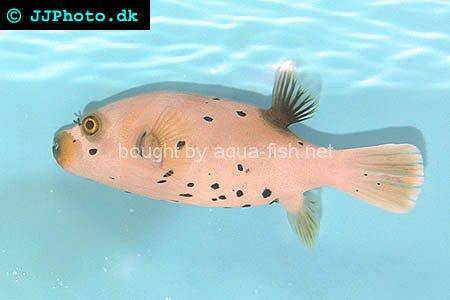
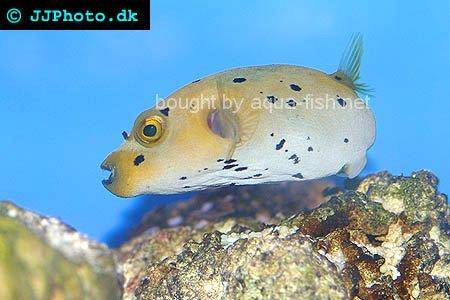
Thanks to Kenneth Leonard for the pictures. Copyright Ken Leonard.
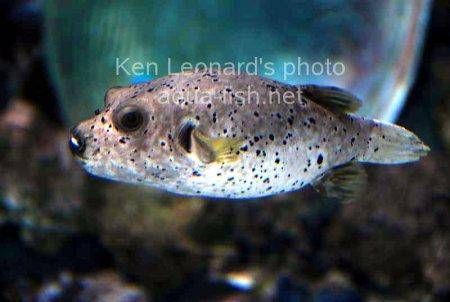
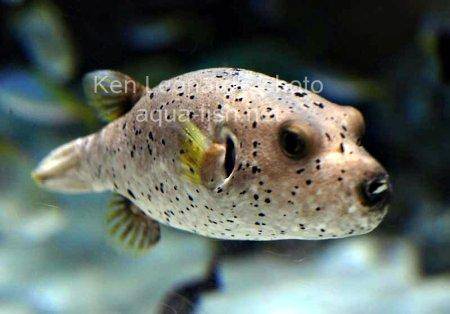
Related fish profiles in the database
Feel free to share your experiences regarding keeping Arothron nigropunctatus below. Every message will be held for approval by our moderators. It usually takes 24 hours to publish your comment. Before you ask anything, browse the questions page, please.
Character and suggestions regarding care
Might be aggressive towards tankmates. Best kept alone or in very large aquariums.Dog Face Puffer Fish Care Guide: Habitat, Feeding, and Maintenance can grow up to 33 cm what is approximately 12 inches. So 1 specimen requires at least 3960cm2 of water surface which is approximately 613 square inch. This species will require to be kept in a tank that is large. (e) Medium aquariums have at least 113 Litres (30 US Gallons). Large aquariums have at least 265 Litres (70 US Gallons). Very large aquariums have at least 700 Litres (185 US Gallons).
It is not very difficult to keep the Dog Face Puffer Fish Care Guide: Habitat, Feeding, and Maintenance. (e) The specific gravity (SG) should be between 1,020 and 1,025, the temperature between 23°C (73.4°F) and 26°C (78.8°F). The recommended pH level is between 8.0 and 8.3 since marine fish are used to these levels in general.
The Dog Face Puffer Fish
The Dog Face Puffer Fish has gained considerable popularity among marine aquarium enthusiasts over the years, and it's easy to see why. This species is known for its charming appearance, featuring a face with large, expressive eyes that resemble those of a puppy. However, as with all puffer fish, individuals can display a range of personalities, including aggressive behaviors, particularly if they are housed in unsuitable conditions. This article provides essential guidelines for the care of this distinctive fish.
As mentioned, the Dog Face Puffer Fish is a saltwater species native to the Indo-Pacific region. It inhabits waters stretching from Japan down to the African continent. Its scientific name is Arothron nigropunctatus, and it is commonly known by several names, including the Black Spotted Puffer and Arothron Puffer. These common names can sometimes be confusing, especially when dealing with juvenile specimens. Therefore, it is advisable to note the Latin name and confirm with the store staff to ensure the correct species is being purchased.
Aquarium Setup and Care
Adult Dog Face Puffers can grow up to 13 inches in length, so it's important to plan their habitat accordingly. A minimum of a 100-gallon aquarium is recommended for fully grown individuals. While juveniles may initially be housed in a smaller tank, an upgrade will be necessary as they grow. Due to their territorial nature, it is generally not advisable to keep more than one specimen in the same tank unless the aquarium is exceptionally large. Territorial disputes can occur if their space is encroached. Compatible tank mates should be robust but not overly aggressive, such as peaceful Tangs or Triggerfish. Different pufferfish species can be kept together, provided they are introduced gradually and without bullying.
When setting up the aquarium, it is important to consider the Dog Face Puffer's needs. Although they are generally considered reef-safe and do not typically harm corals, they can also thrive in a fish-only setup with rocks or other structures to disrupt sightlines, which can help mitigate territorial aggression.
Maintaining proper salinity is crucial, with a preferred range of 1.020 to 1.025. For a reef setup, salinity can be slightly increased to 1.026, which is beneficial for coral health. The temperature should be maintained between 24°C to 27°C (74°F to 80°F), and the pH should be kept at a minimum of 8.1, though slightly higher levels are acceptable.
In a fish-only setup, it is advisable to arrange live rock in a way that breaks up sightlines but still allows ample swimming space at the front and top of the tank, as these fish are quite active.
Experience with less demanding fish species is recommended before attempting to keep the Dog Face Puffer. They are sensitive to poor water conditions and can be particular about their diet.
Feeding the Dog Face Puffer Fish
Upon initial introduction to the aquarium, the Dog Face Puffer Fish may be hesitant to eat, which is common among marine species. With patience, the fish will eventually accept food. Their diet should primarily consist of meaty foods, but it is crucial to include crustaceans to help manage their beak's growth. Without crustaceans, the beak can become overgrown. Recommended foods include small fish like silversides, small prawns, snails, and clams. It is important to clean live food thoroughly to reduce the risk of introducing bacteria or infections into the tank. Flake food or small marine pellets can also be offered, but a varied diet will keep the fish engaged. For those experienced with fish care, beak trimming can be done if necessary, but it is advisable to consult an experienced veterinary surgeon for this procedure if unsure.
Breeding the Dog Face Puffer Fish
There are currently no reliable reports of Dog Face Puffers breeding in captivity. Attempting to breed these fish in an aquarium setting is generally unsuccessful due to the aggression observed between pairs. Sexing the Dog Face Puffer Fish is challenging and usually requires expert knowledge. Males tend to grow larger than females, but this is not a definitive method for determining sex.
Keeping Dog Face Puffers is manageable with careful attention to aquarium setup and adherence to general care guidelines. While they are not the most challenging marine species to maintain long-term, they are not the easiest either. It is advisable to gain experience with other marine species before attempting to keep this fish.
It is worth noting that pufferfish can inflate themselves as a defense mechanism to appear larger and deter predators. This behavior can sometimes be encouraged by keepers for amusement, but it is not recommended as it can stress the fish and negatively impact its health.
This article aims to provide valuable insights for the care of the Dog Face Puffer Fish, helping enthusiasts to enjoy their time with this fascinating species.
Thanks to Kenneth Leonard for the pictures. Copyright Ken Leonard.

Related fish profiles in the database
- Arothron Hispidus (White-Spotted Puffer)
- Arothron Meleagris (Guineafowl Puffer, Golden Puffer, Guinea Fowl, Spotted Puffer)
- Arothron Stellatus (Starry Pufferfish)
- Canthigaster Solandri (Spotted Toby)
- Canthigaster Valentini (Saddle Valentini Puffer, Valentini’s Sharpnose Puffer, Valentini Puffer)
- Ephippion Guttifer (Prickly Puffer)
- Lagocephalus Lunaris (Green Rough-Backed Puffer)
- Lagocephalus Sceleratus (Silverstripe Blaasop)
- Sphoeroides Trichocephalus (Pygmy Puffer)
- Saltwater aquarium heater
- Saltwater aquarium lights
- Saltwater aquarium filters
- Saltwater tank aeration
- Marine fish diseases
- Protein Simmers in the Saltwater Tank
- Setting up a Saltwater Tank
- Saltwater Fish Tanks
- Cleaner Shrimp
- Pajama Cardinals
- Banded Butterflyfish
- Black-Ray Goby
- Blue-Banded Goby
- Blue Chromis
- Blue Green Chromis
- Blue Spot Butterflyfish
- Breeding Seahorses
- Cleaning Goby
- Common Seahorse
- Domino Damselfish
- Dragonface Pipefish
- Drawf Seahorse
- Fire Goby
- Ghost Pipefish
- Golden Damselfish
- Humbug Damselfish
- Lemonpeel Dwarf Angelfish (Centropyge flavissima) Care
- Longfin Bannerfish
- Majestic Angelfish Care
- Neon Velvet Damselfish
- Northern Seahorse
- Pyramid Butterflyfish
- Spotted Watchman Goby
- Tips on Yellow Longnose Butterflyfish Care
- Two Spot Goby
- Yellow Longnose Butterflyfish
Feel free to share your experiences regarding keeping Arothron nigropunctatus below. Every message will be held for approval by our moderators. It usually takes 24 hours to publish your comment. Before you ask anything, browse the questions page, please.
Document modified on Sat Sep 7 19:32:41 UTC 2024
Document created on Wed Dec 5 10:55:30 UTC 2007
How to cite this page? Use the following HTML:
edit this page or create a new fish profile "Dog Face Puffer Fish Care Guide: Habitat, Feeding, and Maintenance." saltwater.aqua-fish.net. Wed Dec 5 10:55:30 UTC 2007.
Aqua-Fish.Net. Fri Jul 18 23:49:05 UTC 2025 https://saltwater.aqua-fish.net/?dogface-puffer.